Beauty and fashion remain highly visible parts of India’s women-led consumer-brand story, but they are no longer the whole story. Women founders are also building around hormonal nutrition, regional food, pet care, children’s learning, sustainable home products and B2B-ready gifting.
These categories are interesting not because they are “trending,” but because they reward a clear customer problem, strong trust and better operations—areas where a focused smaller brand can compete.
Why Emerging D2C Categories Deserve a Closer Look
India’s online retail market is widening geographically. Bain and Flipkart’s 2026 e-retail study says Tier-2+ cities contributed about 65% of new e-retail shoppers and roughly 50% of incremental orders in 2025. Bain and Flipkart’s 2026 report points to growing digital shopping penetration beyond the largest cities. IBEF, citing Unicommerce, separately reported that Tier-2 and Tier-3 cities were expected to contribute nearly 66% of new D2C orders in FY26. Read the IBEF report.
A wider market raises the bar. Pricing, shipping, support, returns and product information have to work beyond a founder’s immediate circle. Social reach is not enough when customers also need to understand ingredients, safety, sourcing or use.
What Women Listed Search Data Is Already Showing
Women Listed’s own Google Search Console data gives another clue: buyers often search by category or need before they know a founder’s name. Over the 12 months ending August 4, 2026, selected Women Listed category stories recorded the following search visibility:
| Women Listed category story | Google impressions | Average position |
| Women-led homemade pickle brands | 2,573 | 8.28 |
| Sustainable skincare brands | 2,086 | 11.24 |
| Kidswear brands in Delhi NCR | 1,628 | 10.34 |
| Sustainable candle brands | 834 | 10.49 |
| Organic food brands | 185 | 10.02 |
These are some Women Listed page-performance figures, not market-size data. They show that clear category-and-need content can introduce buyers to businesses they did not already know—making category language, use case and proof important discovery assets.
1. Functional and Regional Food: From “Homemade” to a Clear Proposition
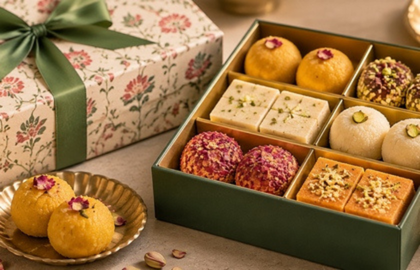
Food has long been an accessible starting point for home-based entrepreneurs. The stronger D2C opportunity is becoming more specific: a regional taste, dietary need, ingredient promise, convenience problem or use occasion that the customer can understand quickly.
Tvara Superfood, founded by a team of women including Kavita Heda, builds around plant-powered nutrition for different stages of women’s lives. FarmDidi has taken a different route: pickles, papads and pantry products built around “homemade” familiarity while connecting the brand to rural women producers.
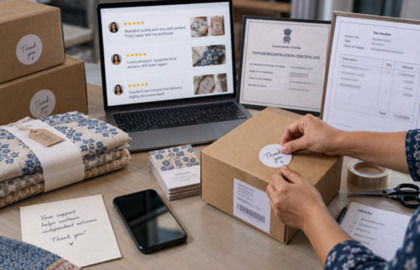
The product still has to support the promise. In food, that means FSSAI compliance, permitted claims, ingredients, shelf life, storage, packaging and repeatable quality. A story may create the first purchase; dependable quality creates the next one.
2. Pet Care: A Category Where Trust and Education Travel Together
Pet care now extends beyond basic food and grooming into nutrition, preventive care, behavior and value-led products. Buyers are emotionally invested and often cautious, which makes information part of the product experience.
Palak Jain’s Paws For Greens remains active in 2026 with plant-based dog nutrition and an education-led positioning. Women Listed’s earlier founder story on the brand is useful because it shows how a personal concern can become a focused category proposition—but the business still has to earn trust through transparent product information and reliable formulation.
Pet products may benefit from repeat purchase, but consistency is non-negotiable. Transition guidance, clear ingredient information, complaint handling and batch reliability should come before aggressive customer acquisition.
3. Children’s Learning Products: “Educational” Is Too Broad
Parents are not simply looking for more toys. Many want low-screen engagement, safe materials, age-appropriate learning and activities that fit Indian homes. That creates room for STEM kits, storytelling games, Montessori-inspired tools, sensory formats and culture-led play.
Women Listed’s article on educational toy businesses built by women entrepreneurs shows the range from engineering kits to storytelling and tactile learning. The strongest proposition is not “educational”; it is which skill the product supports, for which age, and how it is used.
This category benefits from demonstration. Short videos, age guidance, safety information and educator or parent context can answer the questions that block a purchase. Schools and corporate gifting can become additional routes when stock and fulfillment are ready.
4. Sustainable Home and Wellness: Usefulness Has to Lead
Sustainability becomes easier to buy when the product is also useful, durable, well designed or better suited to a specific need. Customers should not have to choose a product only because it appears more virtuous.
Women Listed member SustainGo, founded by Lakshytta Gupta, currently positions itself around sustainable and wellness-oriented everyday products. Vibhuti Jain’s Pigment Lane has developed COCOLOOP, a line of non-electric activated-charcoal air-purifier bags designed as an alternative to conventional odor-control products.
The founder’s job is to turn “eco-friendly” into something a customer can evaluate: material, process, lifespan, reuse, packaging or disposal.
5. Gifting: Where D2C Meets B2B Readiness
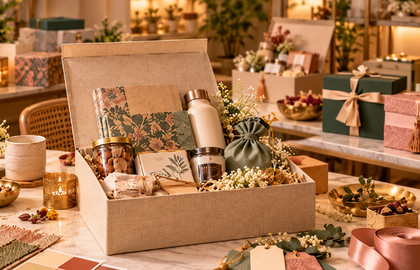
Gifting is unusual because it combines emotion with procurement. A product may win attention through craft, regional story, personalization or social impact, but a corporate buyer also needs price, MOQ, lead time, invoicing, quality control and one dependable contact.
Akanksha Garg’s I K Handicraft is a useful example of the operational side: an active women-owned manufacturing business working across metal décor, tableware, customization, bulk production and export-oriented supply. That kind of detail allows a buyer to evaluate capability rather than simply admire the product.
Women Listed is also developing a Shop/Discover storefront where listed members will be able to showcase products, with planned Women Listed verified and recommended badges and paths for customers to buy directly from the brand or send an enquiry. That direction reflects the same shift from broad visibility to decision-ready product discovery. Founders targeting institutions can also use the corporate-order readiness guide.
The Bigger Shift: D2C Is Not One Channel
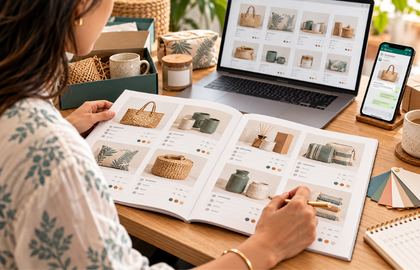
Direct-to-consumer no longer means “sell only from your own website.” A brand may use its website for education, marketplaces for demand, social media for demonstration, WhatsApp for conversations, offline showcases for trial and directories for discovery.
Each channel needs a job. What matters is whether the customer can understand the product wherever she encounters it. Women Listed’s current AI Search guide for small businesses makes the same point from a search perspective: clear category, customer, location and product information give both people and search systems a better chance of matching a business to the right question.
What Each Emerging Category Has to Prove
| Category | Customer need | Proof that matters | Operational risk |
| Functional / regional food | Health, taste, convenience or provenance | Ingredients, license, shelf life, clear claims | Consistency and storage |
| Pet care | Safety, nutrition and trust | Ingredients, guidance, formulation clarity | Repeatable quality |
| Learning products | Age-appropriate meaningful play | Age, learning goal, safety, demonstration | Product explanation and stock |
| Sustainable home / wellness | Useful alternative with lower-impact story | Material, process, durability, use | Vague sustainability claims |
| Gifting | Distinctive products at buyer-ready scale | MOQ, price, customization, capacity | Bulk fulfillment and cash flow |
Frequently Asked Questions
Which D2C categories are emerging beyond beauty and fashion in India? Functional and regional food, pet care, children’s learning, sustainable home and wellness products, and specialized gifting are examples where women-led businesses are building distinct propositions. They are not the only growth categories, but they illustrate how specific needs create room outside crowded lifestyle segments.
Why do Tier-2 and Tier-3 cities matter for D2C growth? They are increasingly important on both sides of the market: as locations from which founders can build and as major sources of new online demand. Brands still need to adapt pricing, logistics, support and assortment rather than treating smaller cities as scaled-down metros.
Does a D2C brand need its own website? Not every sale has to happen on a brand website, but an owned page can give the business control over product information, story, contact details and repeat-customer experience. Most brands benefit from a planned mix of owned, marketplace, social and discovery channels.
What makes a women-led D2C brand easier to discover in search and AI answers? Specific category language, a clear customer problem, useful product information, consistent business identity and credible third-party context all help. Search optimization works best when those details are genuinely useful to a customer, not added as keyword decoration.
The Next Opportunity Is Not Just the Next “Hot” Category
India’s next women-led consumer brands may grow in categories that need more education and stronger operations—an advantage for founders who understand the customer deeply.
The opportunity is to become a useful, trusted answer to a need customers already recognize—and build the systems that can keep that promise as demand grows.