“Healthy” has become one of the easiest words to put on a food pack — and one of the least useful unless a brand tells you what it actually means.
For one business, it means millets instead of maida. For another, it is a shorter ingredient list, no refined sugar, plant-based recipes, upcycled produce or simply making everyday Indian food a little more thoughtful and transparent.
That is what makes the brands on this list interesting. They are not all selling the same idea of wellness, and they are not trying to. From seed-based foods and children’s snacks to baked goods, ready-to-cook meals and better-for-you pantry staples, each has a clearer reason for being here. Here are 10 women-led healthy food brands in India we think are worth knowing — and bookmarking.
1. Bliss by Anju — Familiar Snacks, Reworked
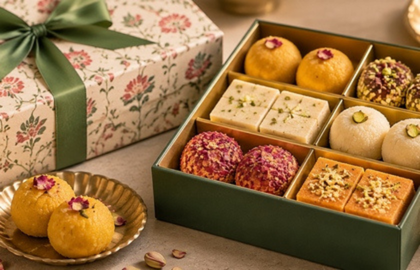
If giving up the foods you enjoy is not part of your plan, Bliss by Anju makes an interesting case for changing the recipe rather than the ritual. Founder Anju Kalhan’s Delhi-based brand spans granola, mathri, cookies, sweets and gifting, built around a whole-food, plant-based approach with oil-free and dairy-free options.
2. Tvara Superfood — Putting Seeds at the Centre
Seeds are often treated as something you sprinkle on breakfast. Tvara Superfood gives them the starring role. Founded by Kavita Heda in Noida, the brand works with seed blends, nut butters and bite-sized formats, making ingredients such as flax, pumpkin, sunflower and sesame easier to build into everyday routines.
3. The Misfits — Good Food From “Imperfect” Produce
The Misfits has one of the more memorable starting points on this list: perfectly edible fruits and vegetables that might otherwise be rejected for how they look or because they are surplus. Aditi Jhala and Vinita Jhala turn that produce into dips, spreads and snacks, making food-waste reduction part of the product itself.
4. Little Fingers — Food Designed Around Children
Little Fingers is very clear about who it is cooking for. Nira Shah’s Vadodara-based brand makes children’s foods using ingredients such as millets, whole grains, sattu and jaggery. That focus matters: instead of taking an adult “health snack” and shrinking the pack, the product thinking begins with children and parents.
5. SNAAQZ — The Crunch Stays
Sometimes the easiest food switch is the one that does not feel like a switch. SNAAQZ, founded by Prabhjot Kaur, stays close to the pleasures of packaged snacking with makhana, millet and vegetable-based chips and peanut butter. The appeal is familiar — crunchy, portable, easy to reach for — while the ingredient choices change.
6. Mom’s Flavours — Better-For-You, But Still Very Indian
Mom’s Flavours is a useful reminder that healthy snacking in India does not have to begin with an imported superfood. Sonal Kapoor’s Ghaziabad-based brand works with millet namkeen, foxnuts, flavoured nuts, cookies, cakes and premixes — foods that sit comfortably in the Indian pantry and evening-snack routine.
7. CookSafari — Convenience Beyond Snack Bars
Healthy-food shelves can become very snack-heavy. CookSafari widens the conversation. Founded by Dr. Shampa Sahay in Greater Noida, the brand works across ready-to-cook and ready-to-eat Indian foods, including gravies, batters and curries. It is convenience built around the kind of meals people actually want for lunch or dinner.
8. Sattva Healthy Bakes — Small-Batch and Specific
Sattva Healthy Bakes has the charm of a smaller homegrown brand that knows its niche. Founded by Dr. Ridhima Grover, it offers cakes, cookies, cupcakes, laddoos and festive hampers with gluten-free, vegan and baby-friendly choices. It is especially relevant for buyers who want familiar treats with more specific ingredient preferences.
9. Heka Bites — Changing the Base, Not the Craving
Heka Bites founder Divya Arora Musaddi has built the brand around a smart snacking idea: keep the seasoning and crunch people enjoy, but change what sits underneath. Its roasted snacks use jowar, makhana, chickpea and quinoa, bringing traditional grains and ingredients into a recognizably modern packaged-snack format.
10. Early Foods — Built Around a Life Stage
Early Foods began with baby and children’s food, and that clear audience still gives the brand its identity. Founder Shalini Santhosh Kumar has built a range spanning porridges, millet cookies, rusks and teething foods, using ingredients such as millets, nuts, seeds, dates and familiar Indian flavours.
What These Women-Led Healthy Food Brands Tell Us
The better-for-you food market is becoming more specific, and that is a good thing. “Healthy” is no longer enough on its own. A buyer can now ask: Is the difference in the grain? The sweetener? The cooking method? The sourcing? The audience? The ingredient list? The brands that are easiest to understand tend to answer that question quickly.
A Better Question Than “Is It Healthy?” The more useful question is: what has this brand actually changed?
When the answer is clear — a grain, a recipe, a process, a sourcing model or a customer need — it becomes much easier to make an informed choice.
Looking for more women-led food businesses? Explore Food & Catering businesses on Women Listed.