Your business is doing well in your home city. Orders are steady, people know your name, and referrals don't feel accidental anymore. Then the obvious question arrives. Should you expand to Mumbai, Bengaluru, Jaipur, Lucknow, Coimbatore, or somewhere else entirely?
Momentum often falters for many women founders. Not because the product is weak, but because expansion gets treated like a bigger version of the same playbook. It isn't. A new market entry strategy for India has to account for city-level differences in trust, buying habits, logistics, language, and access to the right networks.
If you run a D2C brand, a service business, or a small consumer-led venture, your first regional expansion doesn't need bravado. It needs clarity. You need to choose the right city, understand the customer there, launch with discipline, and build local support before you burn cash chasing visibility.
Table of Contents
- Finding Your Next Goldmine Market Selection and Sizing
- Understanding Your New Customer and Competition
- Crafting Your Go-To-Market and Pricing Plan
- Building Your Local Support System and Partnerships
- Your India-Specific Launch Checklist and Pilot Plan
Finding Your Next Goldmine Market Selection and Sizing
Ambition is not the problem. Random expansion is.
Many founders pick their next city based on familiarity, one cousin's suggestion, or the assumption that metros are always the best bet. That's lazy strategy. In India, the smarter move is often to compare one metro with two or three Tier-2 cities and then choose based on visible buying signals, not ego.

A useful starting point is this. Only 10% of women entrepreneurs in India successfully enter new geographic markets without leveraging digital platforms, often facing 70% higher customer acquisition costs as a result, according to an ASSOCHAM study referenced here. If you're expanding, digital discoverability isn't optional. It's your first proof of demand.
Start with a shortlist, not a favourite
Pick three candidate cities. For example:
- If you sell fashion or beauty. Compare Mumbai, Jaipur, and Indore.
- If you sell packaged food or gifting. Compare Pune, Lucknow, and Coimbatore.
- If you offer services. Compare Bengaluru, Hyderabad, and Chandigarh.
Don't ask, “Which city is bigger?” Ask, “Where can I get traction fastest with the least friction?”
Use a simple scorecard and rank each city on:
| Factor | What to check |
|---|---|
| Demand signals | Instagram location tags, local creators, comments, saved posts, marketplace chatter |
| Buyer fit | Does your current customer profile resemble buyers in that city? |
| Delivery ease | Courier reliability, shipping times, return handling |
| Price comfort | Are people already buying similar products at your price band? |
| Competition quality | Are competitors strong, sloppy, or generic? |
Use the tools you already have
You don't need an expensive research agency to make a smart first call.
- Instagram location search. Check tagged posts from cafés, exhibitions, flea markets, and pop-ups in your target city. If you sell handmade jewellery, look at what women wear to events in Jaipur or Bengaluru and what local boutique pages are posting.
- Google Trends. Compare branded and category searches across cities. Search terms like “organic snacks”, “silver jewellery”, “bridal gifting”, or “skin-friendly kidswear” can reveal where interest is warmer.
- Amazon and Blinkit browsing. Not for national data, but for clues. Which brands are visible, how are they priced, and what do reviews complain about?
- WhatsApp and customer DMs. Review where inbound enquiries already come from. Many founders are sitting on expansion clues in old chats.
Practical rule: If a city shows curiosity but no buying behaviour, wait. If it shows repeated demand signals across Instagram, search, and peer referrals, pay attention.
Size the market without pretending to be a consultant
You don't need a spreadsheet with false precision. You need a grounded answer to three questions.
- Can people like your current best customers be found there?
- Can they discover you without massive ad spend?
- Can you serve them well once they buy?
If the answer to any one of these is no, that city is not your next move.
For a broader strategic lens, this B2B SaaS market entry strategy guide is useful because it breaks entry thinking into selection, positioning, and execution. The context is different, but the discipline applies.
Look for neglected cities, not just glamorous ones
Some of the best early wins come from cities where customers are interested but under-served. That's especially true for curated D2C categories like occasion wear, clean-label foods, gifting, kids' products, and personal branding services.
A “good” city for your first expansion usually has these signs:
- Visible but fragmented competition. Buyers have options, but no brand owns the conversation.
- Strong local communities. Parenting groups, apartment communities, women's circles, college networks, creator clusters.
- Manageable logistics. You can promise a good customer experience without operational chaos.
If you're torn between two cities, choose the one where you can build trust faster. Growth follows trust far more reliably than it follows hype.
Understanding Your New Customer and Competition
A Delhi brand entering Bengaluru often assumes the customer is “similar enough”. That assumption is expensive.
I've seen fashion founders carry the same collection, same captions, same offer, and same influencer style into a new city, then wonder why the response is flat. The issue usually isn't product quality. It's mismatch. A McKinsey India study on 150+ business expansions found that 70% of ROI failures were not due to poor products but to underestimating local competition and cultural mismatches in the new market, as cited in this market entry analysis reference.

Build a city-specific customer profile
Take a simple example. A women-led fashion label that sells festive and occasion wear in Delhi decides to expand into Bengaluru.
In Delhi, her buyers may respond to statement pieces, wedding-season styling, and bolder visual merchandising. In Bengaluru, that same founder may find stronger demand for comfort-led occasion wear, versatile separates, subtler styling, and purchase decisions shaped by office culture, weather, and practical wearability.
That means your ICP, your ideal customer profile, must change.
Write a fresh profile using these prompts:
- Who is she in this city? Working professional, young mother, bride-to-be, student, gifting buyer, founder?
- Where does she spend time online? Instagram, WhatsApp communities, creator pages, apartment groups, marketplace apps?
- What triggers purchase? Utility, occasion, gifting need, convenience, aspiration, skin sensitivity, regional taste?
- What makes her hesitate? Price, fit, delivery reliability, return process, authenticity, or trust?
Don't overcomplicate this. One page is enough if it's honest.
Read competitors like a detective
Most founders glance at competitor feeds and stop at aesthetics. That's superficial. You need to study behaviour.
Open five local competitor accounts and review:
| What to inspect | What to look for |
|---|---|
| Comments | Questions about sizing, delivery, ingredients, stock, pricing, delays |
| Stories highlights | Testimonials, FAQs, event presence, behind-the-scenes trust builders |
| Offers | First-order discounts, bundles, festive edits, free shipping thresholds |
| Customer language | The exact words buyers use to describe their needs |
| Response quality | Fast replies, patchy replies, no replies at all |
Your opportunity is rarely hidden. It's usually sitting in the comments section.
If buyers keep asking, “Is this available in pure cotton?” or “Do you deliver before Rakhi?” or “Can I customise for return gifts?”, that's market intelligence. Build around it.
Your competitor's comment section is often a free focus group.
Find the gap you can own
You do not need to beat every local player. You need to be unmistakably relevant for one slice of the market.
That gap may be:
- Better clarity. Clear pricing, better product education, simpler ordering.
- Better trust. Real founder presence, customer proof, consistent WhatsApp support.
- Better fit. A sharper offer for one customer type instead of trying to please everyone.
- Better convenience. Faster fulfilment, easier gifting, easier repeat ordering.
If you want a useful lens on discovery behaviour before you finalise your positioning, read this Women Listed article on how customers actually find small businesses today beyond Instagram and word of mouth. It's a practical reminder that visibility and conversion aren't the same thing.
Ask local people before you launch
Do not sit in your current city and guess what another city wants.
Before entering a new market, speak to:
- Existing customers who have family or work links there
- Local micro creators
- Courier partners and retail stockists
- Women founders already selling adjacent products
Ask short, useful questions. What sells consistently? What gets ignored? What causes distrust? What do customers complain about after purchase?
That kind of listening gives you a sharper edge than generic competitor stalking ever will.
Crafting Your Go-To-Market and Pricing Plan
A good new market entry strategy lives or dies on execution. During execution, you decide how the market will first experience your brand. Not how you see your brand. How they experience it.
Most weak launches fail for a predictable reason. The founder tries to do everything at once. Ads, influencers, marketplace listings, pop-ups, collaborations, discounts, and content sprints. That creates noise, not momentum.

Shape the message for the city
Your core brand can stay the same. Your entry message should not.
If you sell skincare, your Delhi messaging might lean on glow, bridal prep, or festive looks. In a new city, buyers may respond better to sensitivity, routine simplicity, ingredient clarity, or weather-specific concerns. If you sell food products, one city may care about gifting while another cares more about clean ingredients and convenience.
Use this filter for your launch messaging:
- What does this customer care about first?
- What friction makes her delay purchase?
- What proof will make her trust you quickly?
Then build a small launch message set:
- A short Instagram bio update for the city.
- Three ad or reel angles.
- A WhatsApp introduction message.
- A localised founder story.
- One trust-building FAQ set.
Pick fewer channels and use them properly
For Indian D2C businesses, I recommend a hybrid launch over a digital-only one. That's not sentiment. It's practical. A 2024 NASSCOM report found that 58% of women entrepreneurs in Tier-2 cities prioritise in-person networking events over digital ads for building initial trust, as cited in this expansion strategy reference.
That means your channel mix should do two different jobs. One set of channels creates discovery. Another creates trust.
Digital channels that work when used with discipline
- Instagram for discovery and visual proof. Use local hashtags carefully, but focus more on city-relevant content than hashtag stuffing.
- WhatsApp Business for conversion. Catalogue links, quick replies, founder voice notes, reorder nudges.
- Local creators for borrowed trust. Choose creators whose audiences ask questions and save posts, not just those with polished feeds.
- Google Business Profile if your model includes appointments, studio visits, or local service delivery.
Don't make every post a sales post. Make some posts local. Mention city-specific use cases, events, weather, routines, and buying moments.
If pricing is the part you're second-guessing, this Women Listed resource on how to set the right prices for your business is worth reading before you lock your offer.
Offline trust builders you shouldn't skip
A first expansion works better when people can see you, sample you, or speak to you.
Use options like:
- Small pop-ups in founder markets, apartment exhibitions, or curated community events
- Private previews with local stylists, gifting curators, or parent communities
- Sampling partnerships with cafés, studios, salons, or boutique spaces
- Networking events where buyers and collaborators overlap
Mentor's view: If buyers in a new city don't know you yet, a warm room often converts faster than a cold ad.
Here's a useful video to sharpen your launch thinking before you choose channels and sequencing.
Price for trust, not panic
Founders often slash prices during expansion because they fear rejection. Bad move. Introductory pricing can help, but panic discounting attracts the wrong buyer and weakens your positioning.
A better structure is:
| Pricing move | When to use it | Why it works |
|---|---|---|
| Starter bundle | For first-time trial | Increases perceived value without cutting core price |
| City launch offer | For a limited period | Creates urgency while protecting brand value |
| Free add-on | For gifting or D2C products | Feels generous without training buyers to wait for discounts |
| Minimum order perk | For repeat or referral buyers | Encourages basket growth |
If you're entering a city with higher competition, compete on clarity and experience before you compete on price.
Fix logistics before you invite demand
Nothing damages a launch faster than broken fulfilment.
Check these before your first campaign goes live:
- Courier timelines by pincode, not city in general
- Packaging durability for interstate shipping
- Returns and exchange rules written in plain language
- Customer support flow for post-purchase questions on WhatsApp
- Stock planning for your likely hero products
Launches don't fail only on marketing. They also fail when the first buyers feel ignored after paying.
Building Your Local Support System and Partnerships
If you enter a new city alone, you'll move slower than you need to.
That's especially true for women founders. A 2023 KPMG report revealed that 68% of Indian women entrepreneurs struggle with regional market expansion specifically due to navigating male-dominated local business ecosystems and a lack of access to trusted networks, according to this India-focused market expansion reference. I agree with the implication completely. Network-building is not a soft activity. It is a market entry function.

Stop thinking only in terms of customers
When you expand, you don't just need buyers. You need local allies.
That includes:
- Collaborators who share your audience
- Venue partners who can host or display your brand
- Micro influencers who can validate you locally
- Service partners such as photographers, fulfilment helpers, event curators, and community managers
- Peer founders who know what not to do in that city
A founder with local relationships gets better introductions, faster feedback, and fewer avoidable mistakes.
Build your network in layers
Don't approach networking like a random DM campaign. Build it in layers.
Layer one is digital familiarity
Start by identifying local people and brands adjacent to your category. Not direct copies of what you do. Adjacent players.
If you sell artisanal snacks, that might include gifting curators, fitness coaches, women's communities, boutique cafés, and homegrown event organisers. Follow them, engage thoughtfully, and notice how they talk to their audience.
Layer two is warm collaboration
Reach out with a specific suggestion.
Not “let's collaborate”. That means nothing.
Say something concrete:
- a shared hamper
- a founder pop-up
- a customer giveaway
- a joint workshop
- a festive edit
- a referral exchange
Structured partnership thinking helps. If you want a sharper framework for building and managing collaborations, this LinkJolt's partner program guide offers useful ideas on keeping partnerships organised instead of informal and forgettable.
Layer three is local presence
At some point, you need to show up. Not constantly, but intentionally.
Attend focused networking spaces where you're likely to meet:
- buyers
- curators
- local media
- community builders
- women founders with complementary businesses
If you want a starting point for finding relevant communities, browse these business networking groups for women entrepreneurs. The point isn't to join everything. The point is to choose rooms where trust can compound.
Partnerships work best when both sides gain visibility, credibility, or revenue. If your proposal benefits only you, it will be ignored.
Choose partners who reduce friction
The right local partner should make one of these easier:
| Need | Helpful partner type |
|---|---|
| Reach | Creator, community admin, event curator |
| Trust | Known local founder, boutique owner, expert host |
| Conversion | Reseller, stylist, gifting consultant |
| Execution | Courier contact, local coordinator, packaging vendor |
Avoid vanity partnerships. A flashy name means little if their audience doesn't care about your category.
Choose people who can open the right small doors. Those doors matter more than big applause.
Your India-Specific Launch Checklist and Pilot Plan
Before you launch into a new city, slow down and check the boring things. They're rarely exciting, but they save businesses from messy, expensive detours.
This matters even more because digital channels can accelerate early traction. In the Indian market, new market entry strategies for women-led businesses see a significant boost from digital platforms, which deliver 25-30% higher lead generation in the first year, especially in Tier 2-3 cities, according to a 2021 IFC study, as cited in this new market entry strategy reference. More leads are useful only if your back-end is ready to receive them.
Your pre-launch compliance check
If you sell products across states, compliance cannot remain a “later” task. The exact requirements depend on your category, but your launch checklist should be mandatory.
| Compliance Area | Action Item | Why It Matters |
|---|---|---|
| GST | Confirm interstate GST readiness and invoicing setup | Prevents billing errors and confusion during fulfilment |
| Product labelling | Review category-specific packaging and label details | Protects customer trust and reduces operational disputes |
| Food category rules | Check FSSAI requirements if you sell edible products | Helps you avoid avoidable launch delays |
| Cosmetics or personal care | Verify ingredient disclosure and packaging claims | Reduces risk around customer complaints and credibility gaps |
| Shipping policy | Publish clear delivery, return, and exchange terms | Cuts down back-and-forth after purchase |
| Payments | Test payment links, UPI, gateway flows, and receipts | A broken checkout kills momentum fast |
| Business documents | Keep registration, bank, and vendor paperwork accessible | Speeds up onboarding with marketplaces and partners |
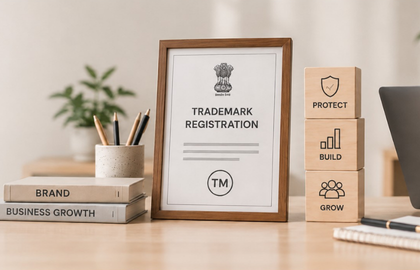
| Trademark and brand assets | Check name usage and protect core assets where relevant | Avoids confusion if you scale into multiple cities |
Run a pilot before the real launch
Do not treat your first city expansion like a national rollout. Treat it like a pilot.
A good pilot is small enough to control and large enough to learn from. Pick one city, one focused customer segment, one hero offer, and a limited launch period. Keep your variables tight so you can tell what's working.
A practical pilot could include:
- One hero product line rather than your full catalogue
- One city-focused Instagram campaign
- One WhatsApp conversion flow
- One offline activation or partner-led showcase
- One feedback form for first buyers
That gives you real-world data without overwhelming your team.
Launch small enough to learn fast, but seriously enough that customers get your best work.
Decide your pilot success signals in advance
Many founders sabotage pilots by changing the target after launch. Decide beforehand what “good enough” looks like.
Track these first:
Enquiry quality
Are the right people asking the right questions?
Conversion pattern
Which messages, products, and channels move people from interest to payment?
Operational ease
Are shipping, payment, and support running smoothly?
Customer feedback
What did buyers appreciate, and what made them hesitate?
Repeat intent
Are people asking for reorders, referrals, or customisation?
You don't need a complicated dashboard. A clean spreadsheet and disciplined review are enough for an early-stage expansion.
Build a feedback loop within the first few weeks
Your first buyers in a new city are not just customers. They are market teachers.
Create a simple process:
- send a follow-up WhatsApp message
- ask what almost stopped them from ordering
- ask what they'd want next
- note repeated friction points
- revise one thing at a time
That last point matters. Don't change your product, pricing, messaging, and packaging all at once. If you change everything, you won't know what improved the result.
Know when to push and when to pause
A city deserves deeper investment only if the pilot shows one or more of these signs:
- customers understand your value quickly
- buyers trust the ordering process
- logistics are manageable
- feedback is strong enough to refine, not rescue, the offer
- local partners are responsive and useful
If none of that is happening, don't force scale. Pause, tighten the offer, or choose a different city. Discipline is not a lack of ambition. It's how serious founders protect momentum.
If you're ready to grow beyond your current city, Women Listed can help you get discovered by buyers, collaborators, and relevant audiences across India. It's built for women-led businesses that need stronger visibility, practical growth support, and a clearer path to expansion without doing it all alone.