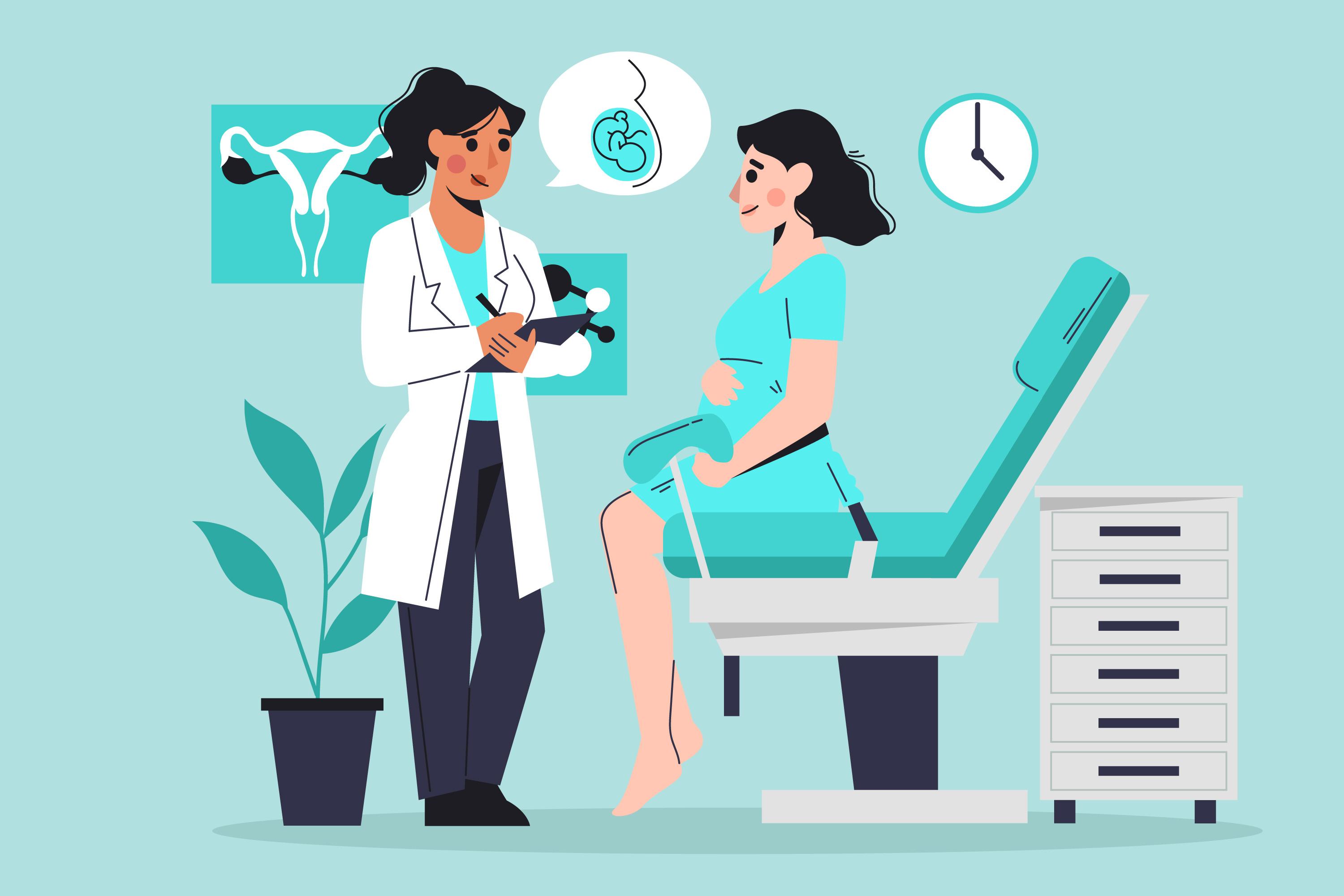
A gynecologist is a doctor with specialized training in the female reproductive system, unlike an obstetrician who specializes in childbirth and providing medical care during prenatal and postpartum to expectant mothers. However, they usually go hand in hand with the requirements of the medical industry.
What happens in a Gynaecological check-up?
It is common for many women to experience anxiety or uncertainty before seeing a gynecologist. A gynecologist can teach you to pay closer attention to your body. You may control your physical, sexual, and reproductive health with routine gynecological checkups, including contraception, pregnancy, and menopause. Additionally, a gynac performs surgery for pelvic organ or urinary tract issues, screens for cancer, and treats infections too.
To take the fear out of your gynecological appointments, we have come up with some things you can expect and how you can prepare:
When should you begin having gynecologic examinations?
You'll probably make your first visit between 13 and 15. Some women wait until after their first sexual encounter or to experience a symptom. But we suggest the earlier you begin, though, the better.
What will happen at your initial gynecological visit?
Typically, your initial visit would be relatively brief. The doctor will enquire about your sexual health as well as the medical history of you and your family. It's crucial to share accurate information.
How should you prepare for your appointment?
Pick a doctor that you feel at ease with. Request an appointment when you know you won't be getting your period that day. If you have any questions, ask them. Note the issues that worry you, such as your menstrual cycle, vaginal health, contraception, unusual breast pain, etc.
Always inform your doctor of any new issues, such as abnormal bleeding, as well as any discomfort outside your routine checkups.
To maintain good reproductive health, you should visit your gynecologist once a year.