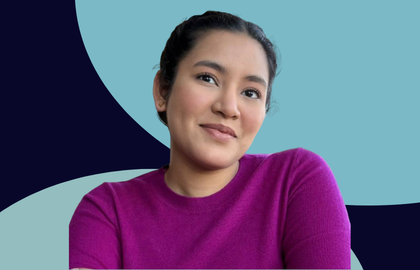
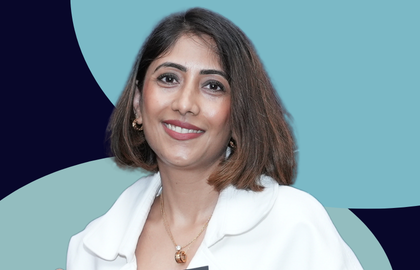
When the pandemic hit, it exposed just how fragile access to education can be, especially for families already living on the edge. Niharika Sharma saw this gap up close. Instead of watching from the sidelines, she started the Anweshka Foundation, a non-profit focused on making sure children from underserved communities don’t have to drop out of school because of financial hardship.
What began with food drives during COVID-19 has grown into long-term support for education, adopting government schools, building basic infrastructure, and helping students stay enrolled. At the center of it all is a simple but powerful belief: every child deserves a fair chance to learn.
A Mission Rooted in Crisis
In 2021, as COVID continued to disrupt lives, Niharika launched Anweshka Foundation. Her first project was “No Family Sleeps Hungry,” a relief drive that supported over 3,500 families struggling to survive.
But what stuck with her most was the growing number of children who had to drop out of school. “That’s when we decided to sponsor the entire education of bright children who had to quit due to financial constraints, or those who had lost their primary earning member to the pandemic,” shares Niharika.
This alarming trend of educational abandonment became the catalyst for the Anweshka Foundation's official establishment in 2021, with a clear mission emerging from the crisis.
Real Support, Real Schools
Anweshka Foundation now works closely with four government schools in Mathura, Noida, and Greater Noida. These aren’t just partnerships on paper, the foundation has helped transform these schools into healthier, safer, more motivating environments for learning.
That includes real, tangible improvements: building usable washrooms, donating 33 ceiling fans, constructing a badminton court, and organizing regular health camps that have benefited more than 400 children so far. These aren’t flashy changes, but they’re the kind that make a big difference in a child’s daily school life.
“We’re trying to make education not just accessible, but joyful—something kids look forward to,” Niharika says
Fighting Old Beliefs with New Ideas
Convincing parents to prioritize education over income remains a major challenge. “The biggest challenge we face is convincing the parents of children in slum areas to send them to school,” Niharika explains. “They want their children to work early and contribute financially.”
Niharika and her team run awareness camps to talk directly with parents. “We show them how education can help their children broaden their vision and secure a better future. It’s about changing mindsets, not just circumstances.” It’s slow, patient work. But it’s working.
More Than Just Academics
Anweshka Foundation doesn’t treat students like charity cases. The focus is on empowerment. That means encouraging creativity, confidence, and leadership, especially among young girls and first-generation learners.
Niharika’s philosophy goes beyond books and exams. “We aim to instill a love for learning, creativity, and critical thinking, empowering students to reach their full potential and become agents of positive change,” she says.
One standout story is Raksha, a 10-year-old girl from the slums who helps care for her five younger siblings at home. “She’s the topper of her class and dreams of becoming a doctor. Anweshka stands strong behind such children and offers financial and moral support to help them pursue their dreams.”
Recognition and What’s Next
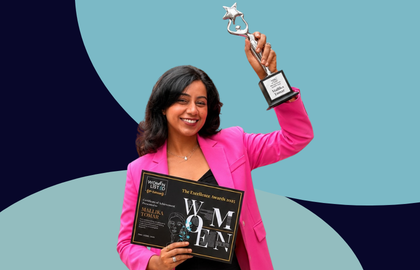
In 2022, Niharika was awarded “Best Social Changemaker” at the Women’s Conclave and Awards, a small nod to the big work she’s doing. But for her, recognition isn’t the goal. Looking toward the future, the Foundation aims to adopt "one more government school in a rural area" within the next year, extending its transformative approach to even more underserved communities.
Niharika’s work through Anweshka Foundation is proof that education-focused change doesn’t need to be complex; it just needs to be consistent. From sponsoring school fees to building playgrounds and changing mindsets, the foundation is creating real impact, one child at a time.
“When children from weaker sections are encouraged to pursue education and are provided with the necessary facilities,” Niharika says, “we’re creating a nation of responsible individuals in the long run.”